The organization identifies the main factors that will shape tourism and hospitality in 2026, focusing on technology, data, and human experience.
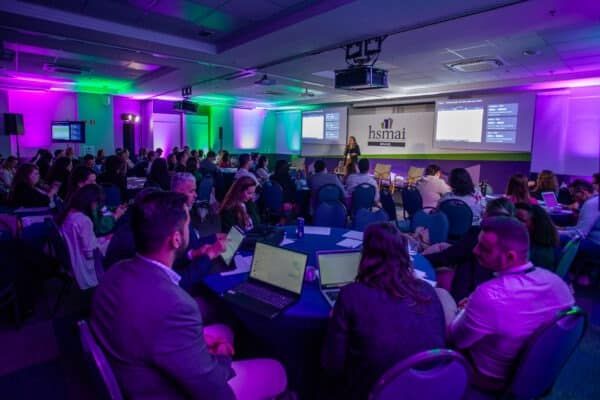
HSMAI LATAM, a global association dedicated to the development of executives and professionals in the hotel and tourism industry, with a focus on Sales, Revenue Management, Distribution and Marketing, indicates that 2026 will not be a year of isolated trends, but of structural transformations in the way travelers choose, experience and remember their travels, as well as in the way hospitality companies operate, organize and compete.
The next cycle consolidates a new value architecture for the sector, based on three inseparable pillars: technological intelligence, data-driven anticipation, and depth of human experience.
“2026 presents positive trends, but it won't be an easy year for global tourism. Demand will exist, albeit fragmented, volatile, and highly sensitive to price, context, and timing. Balancing leisure, corporate, and events will be one of the biggest challenges. Those with data-driven insights, commercial agility, and a clear strategy will navigate this scenario more effectively. Those relying solely on natural flow or outdated models will feel the effects.”, analyzes Gabriela Otto, president of HSMAI Brazil & LATAM.
The trends are:
How will people choose to travel in 2026?
The traveler's decision is no longer reactive but rather anticipated by data, behavior, and artificial intelligence. Global studies indicate that the journey begins before the active search, when algorithms already understand who the traveler is, what stage of life they are in, and what kind of experience they seek.
Experience ceases to be a differentiator and becomes a requirement
Travelers no longer simply buy accommodation or transportation, but rather a sense of belonging, transformation, and emotional connection. Travel becomes a ritual, intertwined with personal, family, or professional experiences.
Destinations stop selling places and start offering meaning
Destinations are shifting from marketing physical spaces to offering stories, identity, and emotional journeys. The destination becomes the narrative that the traveler constructs throughout their experience, based on purpose and connection.
Communities replace mass tourism
Growth is no longer driven by scale but by affinity. Trips organized by communities focused on wellness, sports, gastronomy, spirituality, solo female travelers, regenerative tourism, and others are gaining increasing prominence.
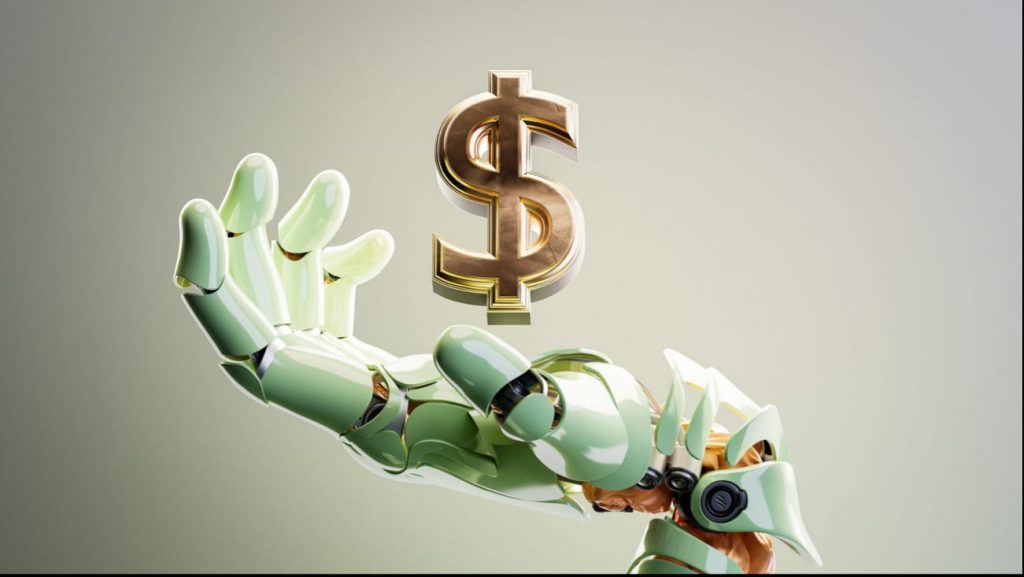
AI as a co-manager of the business
Artificial intelligence is assuming a strategic role in business decisions, based on a clear principle: automate the predictable and humanize the essential. AI does not replace people, but it reduces improvisation, assumptions, and delayed decisions.
Regenerative economics and responsibility cease to be mere rhetoric and become a criterion for choice.
Brands and destinations need to demonstrate a real positive impact. Those that fail to deliver consistent value lose relevance with consumers, partners, and investors.
Influence is no longer measured by reach, but by credibility.
The power of micro and nano influencers is growing, with real authority and genuine connection to specific communities.
Balance 2025
In recent years, HSMAI LATAM has undergone a period of institutional strengthening and strategic expansion, reflecting the sector's confidence and its alignment with the challenges and opportunities of the hotel and tourism industry.
The association continues to grow by opening new chapters and expanding its already established technical expertise, particularly in Revenue Management, Distribution, Commercial Strategy, and the intelligent use of data. The focus is shifting from the sheer volume of information to its quality, applicability, and real-world impact on decision-making, keeping pace with the increasing complexity of the market.