
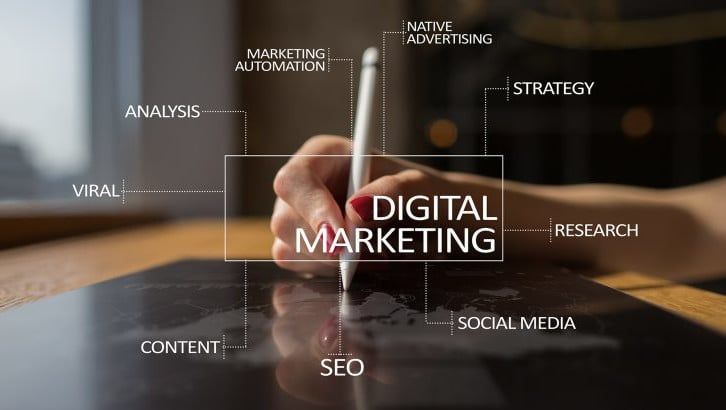
Digital marketing is now one of the cornerstones of hotel competitiveness. With travelers increasingly connected and independent in their purchasing decisions, online visibility, relevant content, and a simple booking experience are crucial for generating direct bookings, strengthening reputation, and sustaining long-term growth.
Why digital marketing is crucial
Social media and search engines dominate the booking journey. A well-structured digital strategy expands a hotel's presence, positions the brand with the right audience, and strengthens guest relationships. Content aligned with travelers' interests creates a connection, while local SEO ensures visibility for those already searching for accommodations in the destination.
Paid advertising and conversion
Paid campaigns help hotels appear precisely when travelers are ready to book. The focus should be on search intent and accurate segmentation, always directing users to clear, concise pages with an efficient booking engine.
Technology, including AI-based solutions, expands reach and improves performance, but what it really makes is a simple and reliable experience.
This involves working on brand campaigns, targeting terms and searches with high booking intent, always prioritizing return on investment and not just click volume.
Content, reputation and social media
High-quality images, virtual tours, destination recommendations, and behind-the-scenes content bring the audience closer to the real experience of staying at the property. Positive reviews on platforms like Google and TripAdvisor directly influence the booking decision, and responding to comments demonstrates attention to detail and care for the guest experience.
Social media functions simultaneously as a showcase, a relationship channel, and a brand reinforcement tool.
SEO and direct relationship
Helpful content, such as local guides and answers to frequently asked questions, helps the hotel be found organically. Local SEO connects the hotel with travelers who have already chosen the destination.
At the same time, email marketing and data collection allow you to maintain the relationship, encourage repeat business, and reduce dependence on intermediaries.
Pages about the destination, local events, and experiences near the hotel help capture searches that are in the trip planning phase.
Conclusion
By 2026, effective digital marketing for hotels means consistent presence, relevant communication, and technology that drives conversions. Hotels that combine visibility, reputation, and direct engagement will be better positioned to increase direct bookings, strengthen their brand, and maintain a competitive edge.